
Researching Identity, Authenticity, & Social Belonging
My main focus is on how individuals with complex or marginalized identities navigate pressures to be authentic, manage societal expectations, and pursue belonging. I’m especially interested in multiracial experiences and how social meaning shapes identity and well-being across academic, professional, and social environments.

Introduction
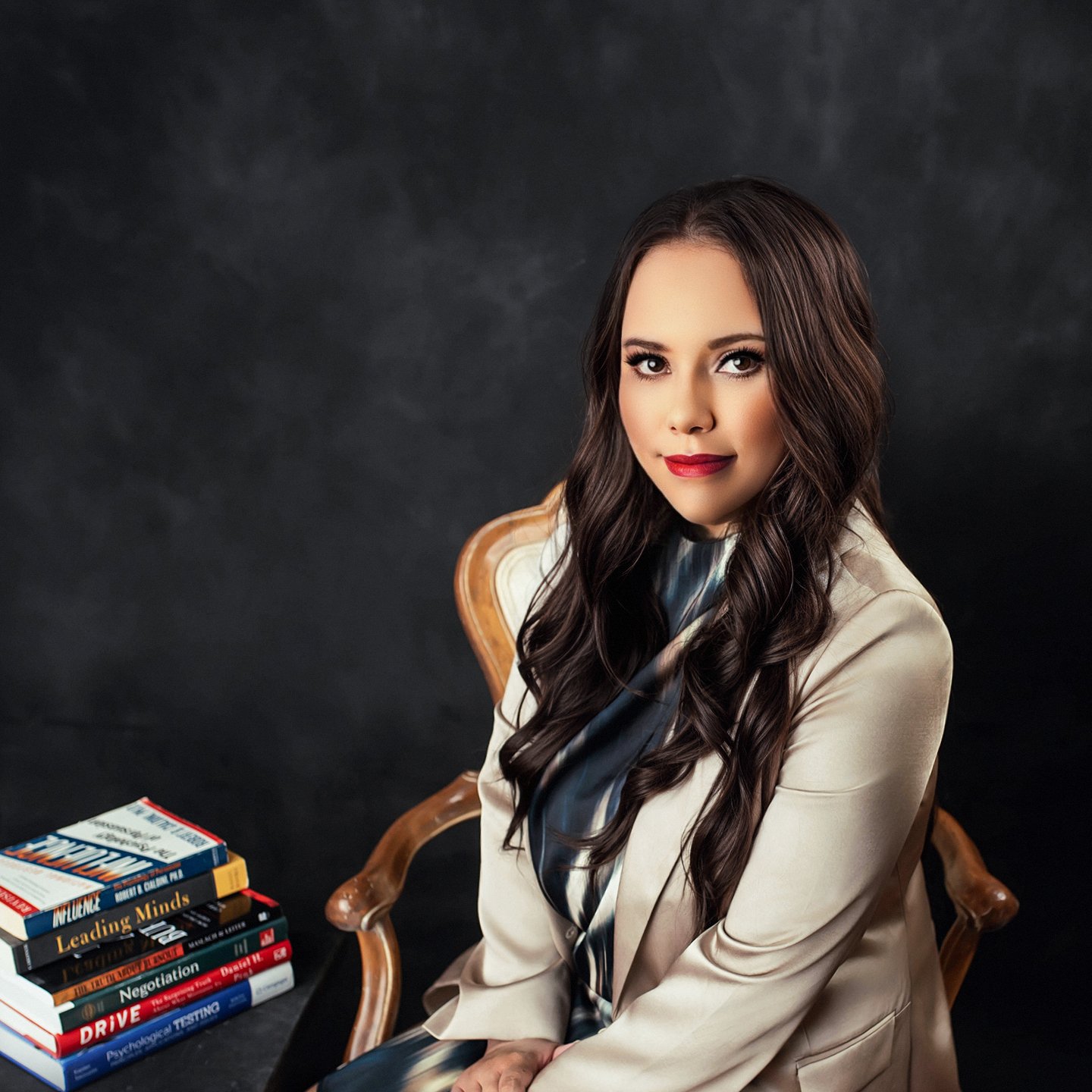
Hi! My name is Morgan McDonald. I focus on questions surrounding how people navigate identity, authenticity, and belonging—particularly in contexts where structural forces shape whether individuals feel seen, valued, or allowed to be their whole selves. My interest in these questions developed gradually: growing up in communities where representation was uneven made identity feel complicated, and becoming a first-generation graduate student sharpened my awareness of how social meaning, expectations, and institutional culture influence people’s internal experiences.
Across my academic and professional work, I have become especially interested in the psychological mechanisms through which individuals regulate their sense of authenticity, respond to identity-relevant threats, and interpret cues about inclusion or exclusion. I’m equally drawn to the structural side of these issues and to understanding how environments—including classrooms, workplaces, and broader social systems—can unintentionally perpetuate barriers to belonging. My goal is to study these processes with scientific rigor and contribute to evidence-based interventions that improve people’s lived experiences rather than relying on symbolic or performative approaches to equity.
My research trajectory is grounded in a commitment to careful empirical work, theory-building, and interdisciplinary integration. I’m motivated by questions that sit at the intersection of identity, social evaluation, and well-being.

A Snapshot of My Experience
Identity & Authenticity Research
Focus: How multiracial and marginalized individuals navigate shifting identity expectations.
Contribution: Assisted in designing interview and survey materials; developed coding schemes and supported qualitative data analysis.
Impact: Expanded my understanding of belonging and identity integration, informing my emerging research interests.
Bias, Prejudice, & Intervention Research
Focus: Measuring bias, testing intervention durability, and examining contextual influences on prejudice.
Contribution: Conducted systematic literature reviews; coded experimental data; supported analysis of intervention outcomes and their contextual moderators.
Impact: Clarified my emerging agenda on how context shapes bias and when interventions sustain change.
Psychological Measurement & Methods
Focus: Quantitative and qualitative methods applicable to social and personality psychology.
Contribution: Completed advanced coursework and independent applied training in SPSS (regression, ANOVA, reliability), survey design, and mixed-methods approaches.
Impact: Built methodological skills that support advanced empirical work and theory-building.
Community Equity & Access Work
Focus: Educational access, youth support, and community-level disparities.
Contribution: Created structured reports, grant proposals, and needs-assessment reports for underserved communities.
Impact: Deepened my understanding of how structural inequities shape identity formation, well-being, and academic opportunity.
Academic Mentorship & Student Support
Focus: Supporting students navigating academic transition, identity challenges, and diverse learning needs.
Contribution: Served as a peer mentor; provided individualized academic support and learning strategies.
Impact: Strengthened my ability to translate abstract concepts and work collaboratively in participant-centered research settings.
Professional Roles: Analysis & Initiative
Focus: Independent problem-solving, research-driven tasks, and high-expectation work environments.
Contribution: Completed data reporting, strategic analysis, and high-stakes writing tasks requiring autonomy and precision.
Impact: Reinforced habits of self-directed work, critical thinking, and structured inquiry—skills central to doctoral success.
My Research Interests
Multiracial Identity & Authenticity
My research examines how individuals with complex or mixed cultural identities navigate expectations from different audiences. I focus on authenticity regulation—how people manage, protect, or recalibrate self-presentation when their identities are questioned or narrowly defined.
Bias, Perception, & Social Meaning
Building on my training in research on diversity and discrimination, I examine how subtle forms of bias shape interpersonal judgments and access to opportunities. I am particularly interested in how societal narratives and expectations influence self-perception and identity-relevant threat.
Belonging & Social Context
Identity Threat & Psychological Safety
This line of inquiry focuses on how social environments structure belonging, particularly for individuals whose identities fall outside dominant categories. I examine the conditions under which authenticity is easier or more difficult to maintain across educational, social, and professional settings.
My work is informed by research demonstrating that many bias-reduction interventions show limited long-term impact. I am interested in identifying the contextual pressures that constrain these interventions and in developing strategies that more reliably support the expression of identity and belonging.
Contextual Limits on Bias Interventions
My research interests are informed by evidence suggesting that many bias-reduction interventions have limited long-term impact. I am interested in understanding the contextual and psychological conditions under which such interventions succeed, fade, or produce unintended effects. This focus motivates my interest in examining how social environments can be structured to support sustained expression of identity, belonging, and meaningful change.